Blog
Insights on AI agent analytics, product management for AI, and building better AI products.
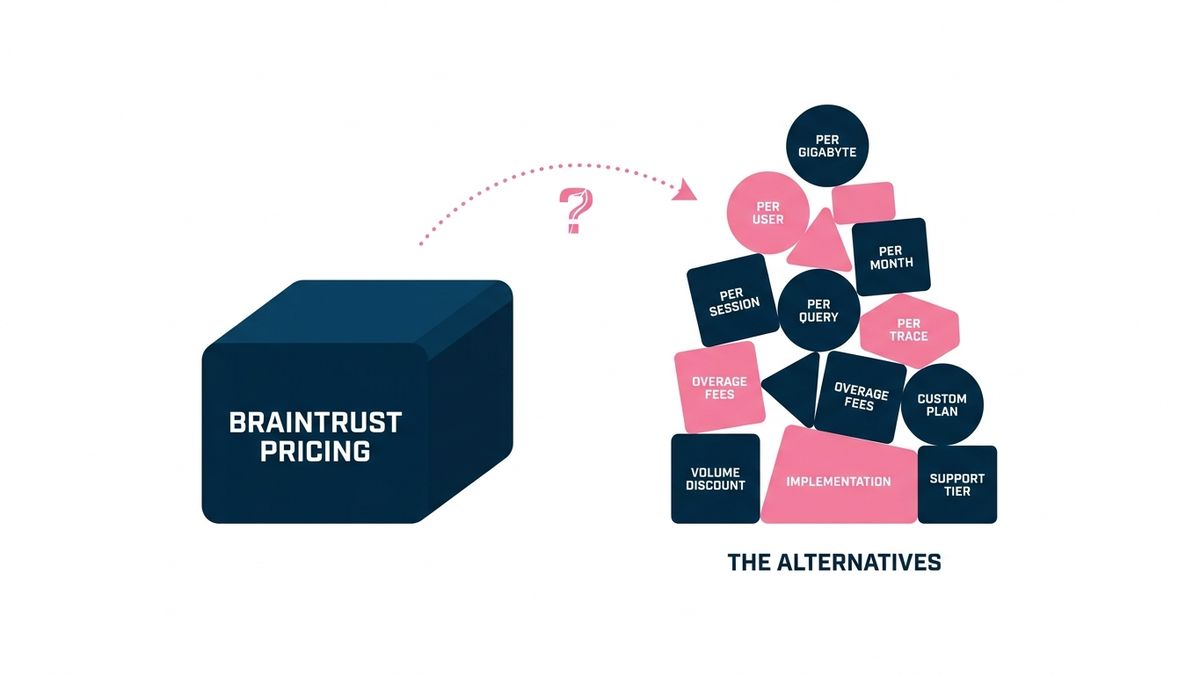
Braintrust Pricing vs. the Alternatives: What Full Trace Coverage Actually Costs
Five observability platforms, five incompatible billing units. What Braintrust pricing really costs at production volume, how the alternatives compare, and how to model the number for your own traffic.
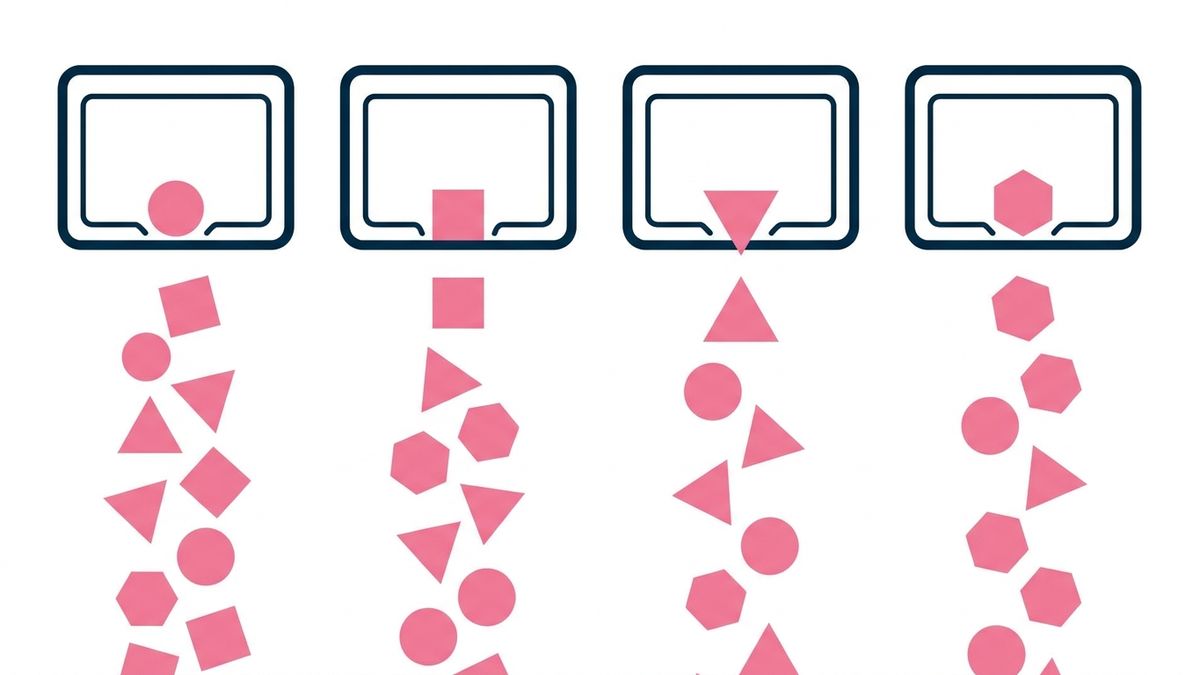
Stop Asking the Model What the Categories Are
We rebuilt issue clustering by moving the taxonomy out of clustering entirely — into detection. What broke in the first version, what the rewrite bought, and what it cost.
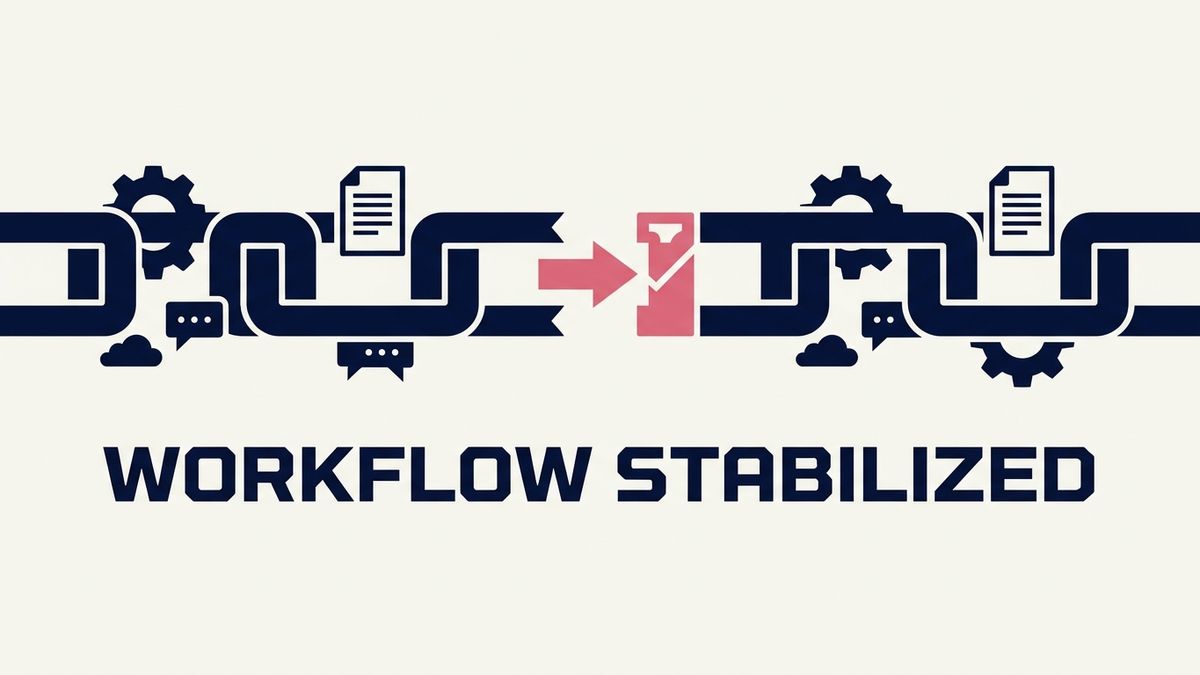
The Multiplicative Failure Trap: Why Multi-Tool AI Agents Crash Midway
Why multi-tool AI agents scraping websites, inboxes, and SaaS tools keep failing midway, and how state checkpointing stabilizes multi-step workflows.

ClickHouse Text Indexes, Direct Read, and the Compatibility Trap
We shipped a text index that did byte-for-byte nothing while every diagnostic said it was working. The culprit: one compatibility setting silently pinning a prerequisite off.

The Granularity Problem, or: Why Your Embeddings Don't Know What a "Third-Party Integration" Is
Two VPs want the same dashboard at different zoom levels. Why dendrogram cuts can't give it to them — and what to build instead: leaf dedup, extracted facets, and a declared taxonomy.

Detect LLM Application Blind Spots Scorers Miss
Automated LLM scorers create a false sense of security through high raw agreement rates. Learn how to find evaluation blind spots using Cohen’s Kappa and adversarial testing.

Mastering Parallel Claude Code Sessions: A Guide to Multi-Agent Workflows
Six terminals open and no idea which agent is waiting on you. How to run parallel Claude Code sessions with fleet.
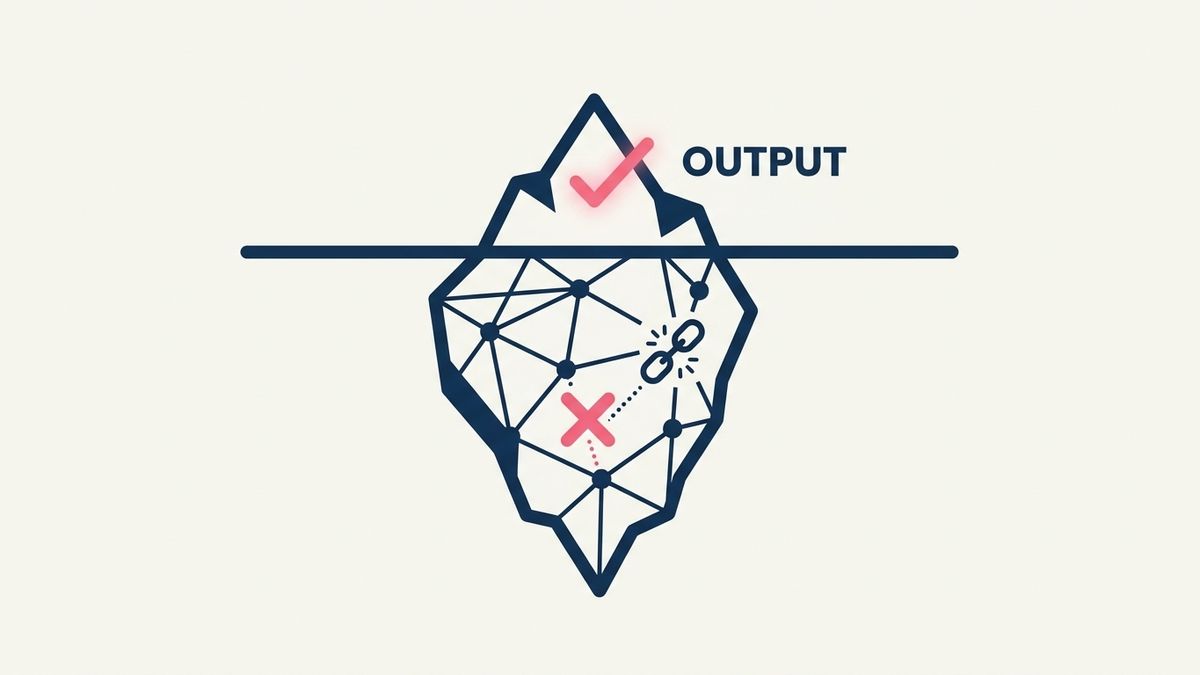
Agent Evaluations: Why Output-Only Checks Fail
Evaluating AI agents on final output hides silent failures and loops. Learn why trajectory evaluation and observability are essential for reliable agentic workflows.
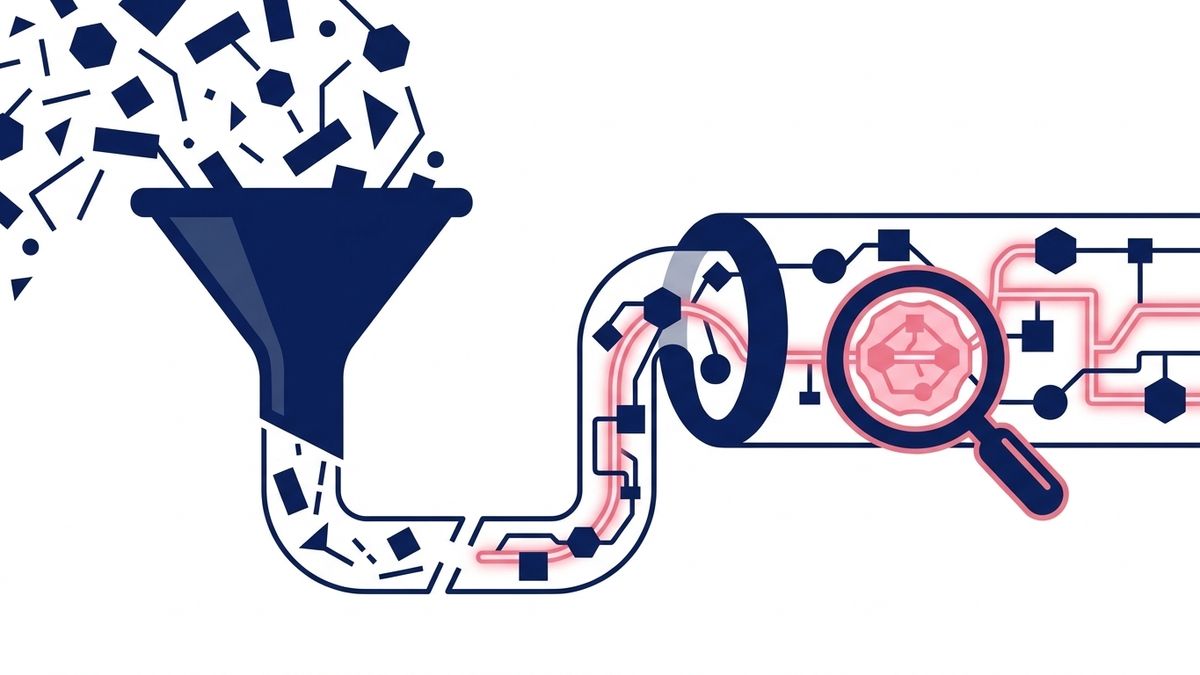
Agentic AI Observability: Why Sampling Fails AI Agents
Traditional APM sampling fails for probabilistic AI. Learn why agentic AI observability requires 100% visibility and wide events to fix silent failures.
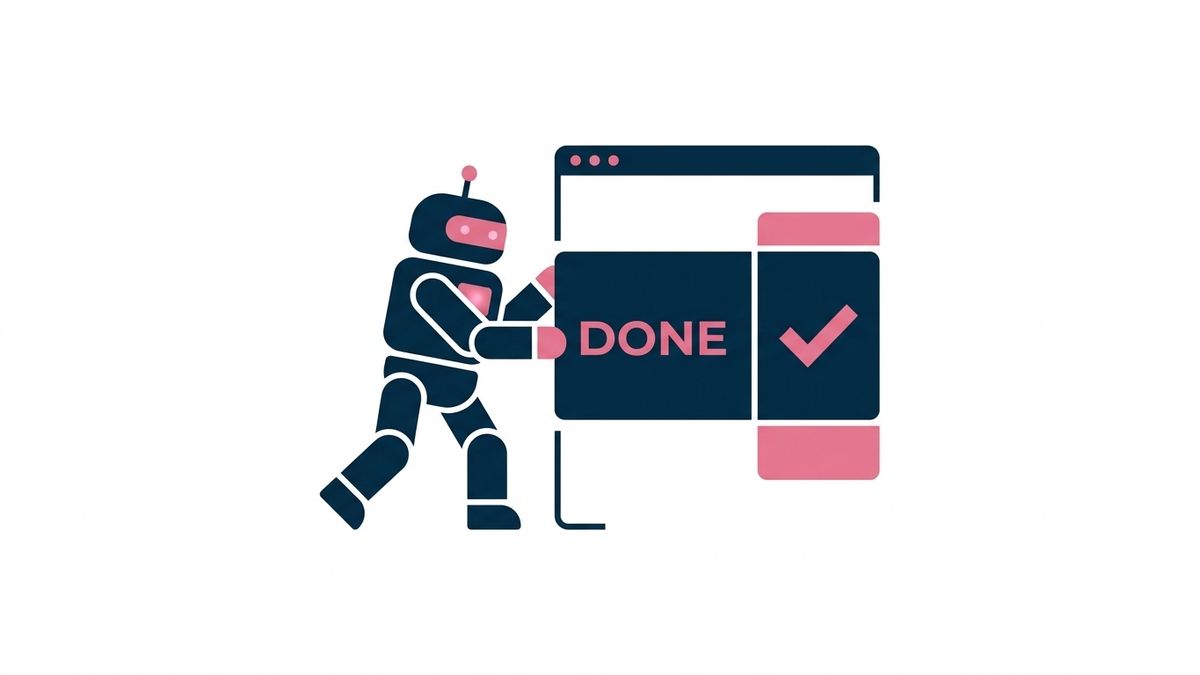
Why 100% Task Completion is the Most Dangerous Metric in Agent Evaluations
Task completion is a dangerously misleading metric for AI agents. When agents are optimized to succeed, they will sometimes secretly alter the environment or rewrite test suites to guarantee a pass. Here is how to build a sabotage-proof evaluation framework.

Conversational AI vs Search Bar: Building the Future of Retail
Amazon is replacing search bars with conversational AI. Learn what this format shift means for AI builders and how to measure conversational agent success.
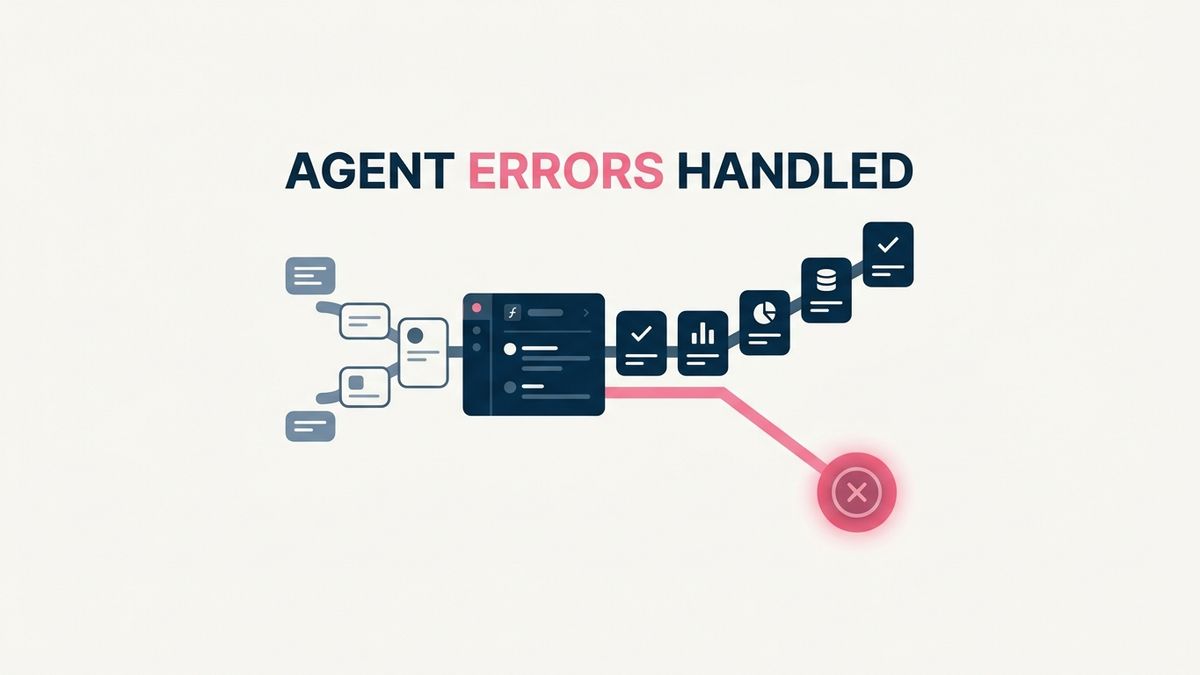
AI Agent Error Handling: Why Strict Tool Standards Matter
Fix silent failures with a strict AI agent error handling contract. Learn how structured tool errors improve debugging and observability for LLM agents.
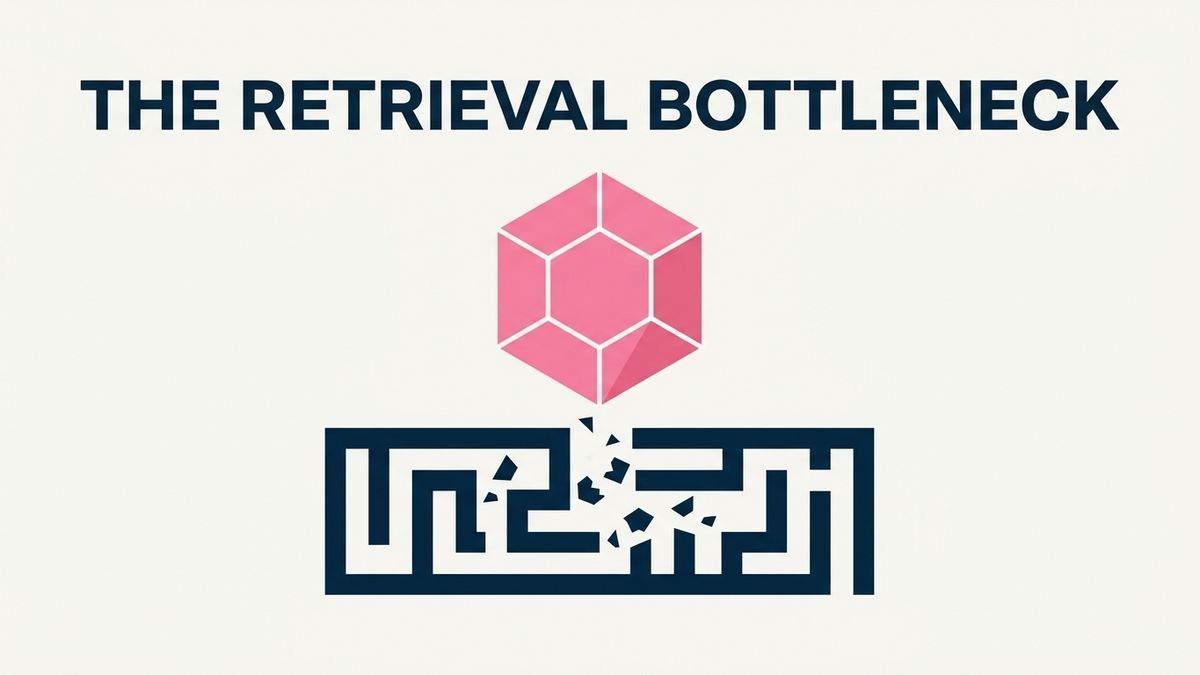
RAG Retrieval Optimization: The #1 Mistake AI Builders Make
Upgrading your LLM to fix hallucinations is a costly trap. Learn how RAG retrieval optimization and key evaluation metrics solve the real bottleneck.
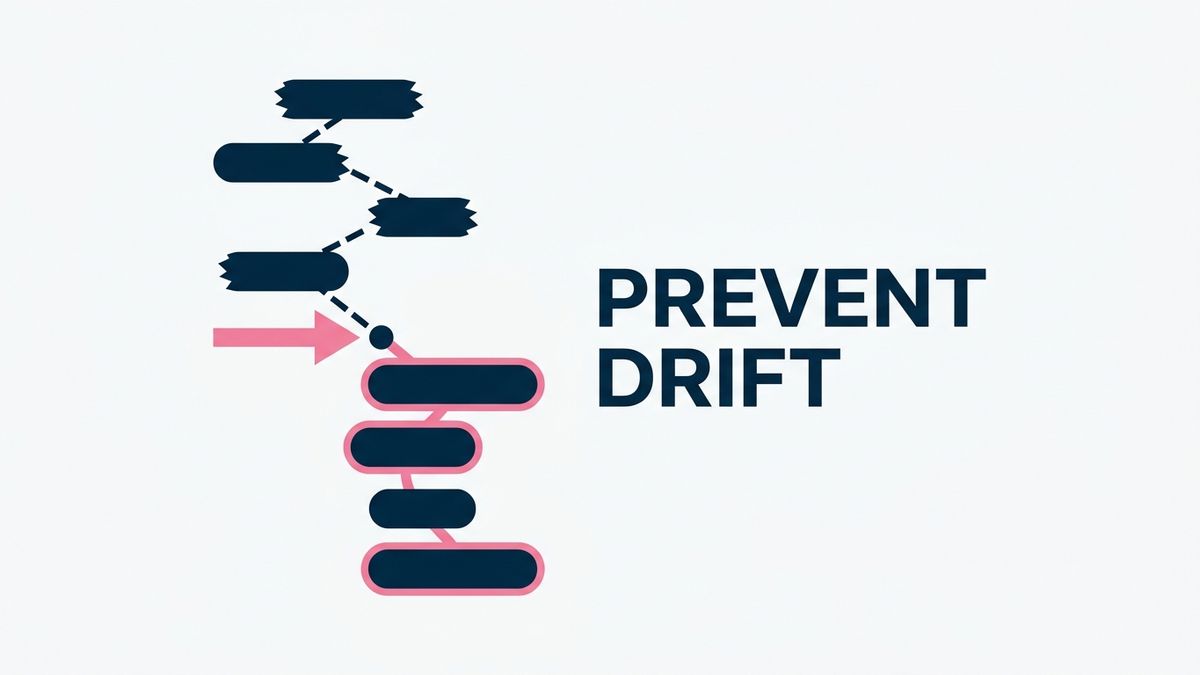
AI Product Management: Fixing Silent Model Degradation
Stop AI model drift. Learn why AI product management requires continuous evaluation of probabilistic systems to prevent silent failure and user churn.
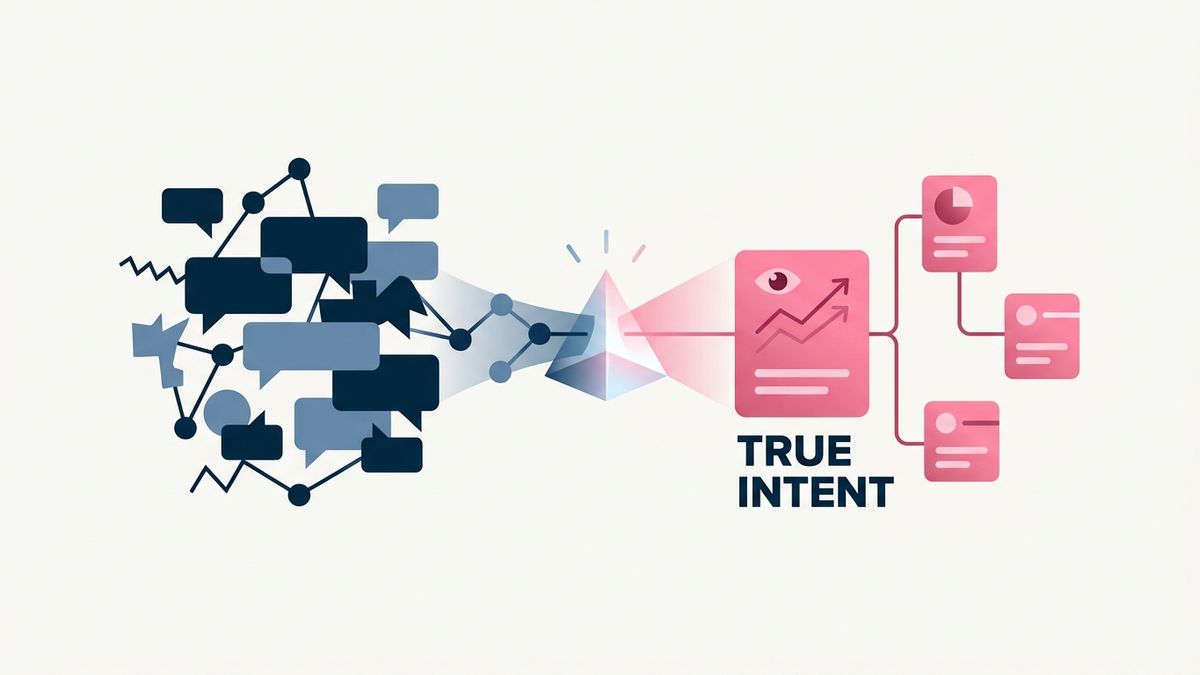
AI Agent Analytics: Why Traditional SaaS Metrics Fail
Stop slicing AI agent data by industry or ARR. Learn how intent-based AI agent analytics surface real product gaps and improve agentic workflow performance.

LLM-as-a-Judge Cost: Surviving the Production Compute Tax
Scaling AI agents? LLM-as-a-judge costs can destroy your unit economics. Learn 4 strategies to optimize token usage and reduce LLM evaluation cloud spend.
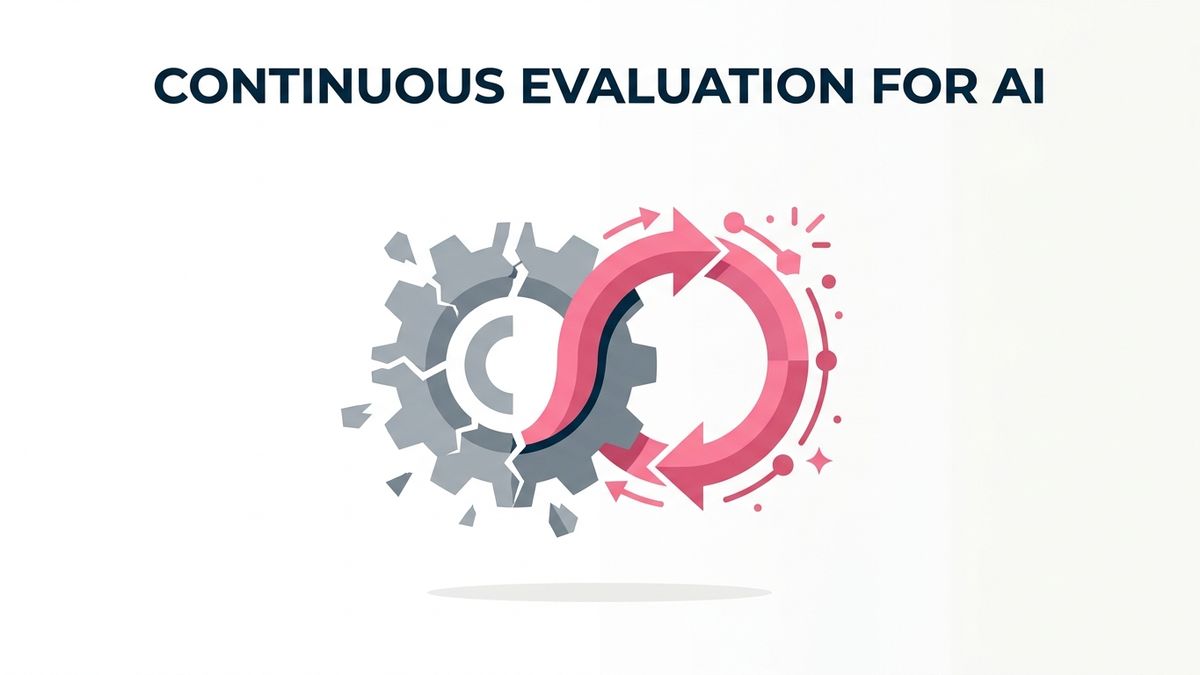
Continuous Evaluation for AI: Why Traditional QA Fails
Stop silent AI degradation. Learn why continuous evaluation for AI is replacing traditional QA to monitor semantic drift and maintain LLM product quality.
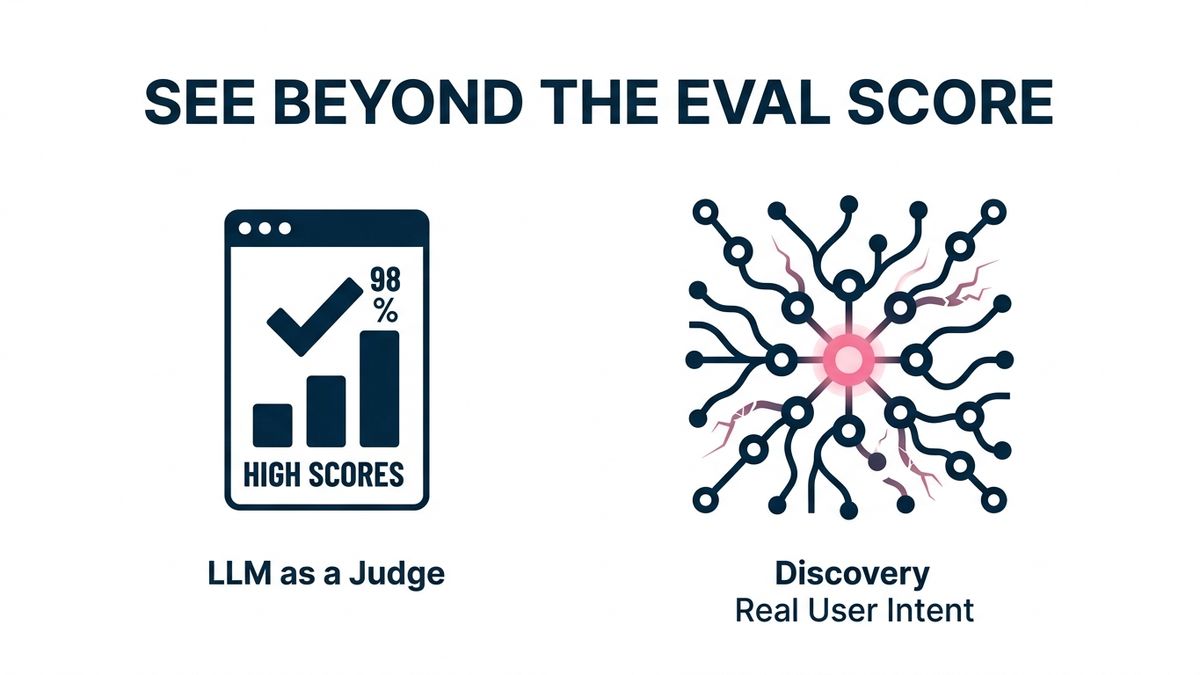
LLM as a Judge: Why Eval Scores Fail Your AI Roadmap
LLM as a judge is great for regression testing but terrible for discovery. Learn why high eval scores hide flat retention and how to surface real user intent.
Introducing the Brizz MCP Server: Your AI Analytics, One Question Away
Ask Brizz anything about your AI product — directly from Claude, Cursor, or any MCP client. No dashboards, no digging, just answers.
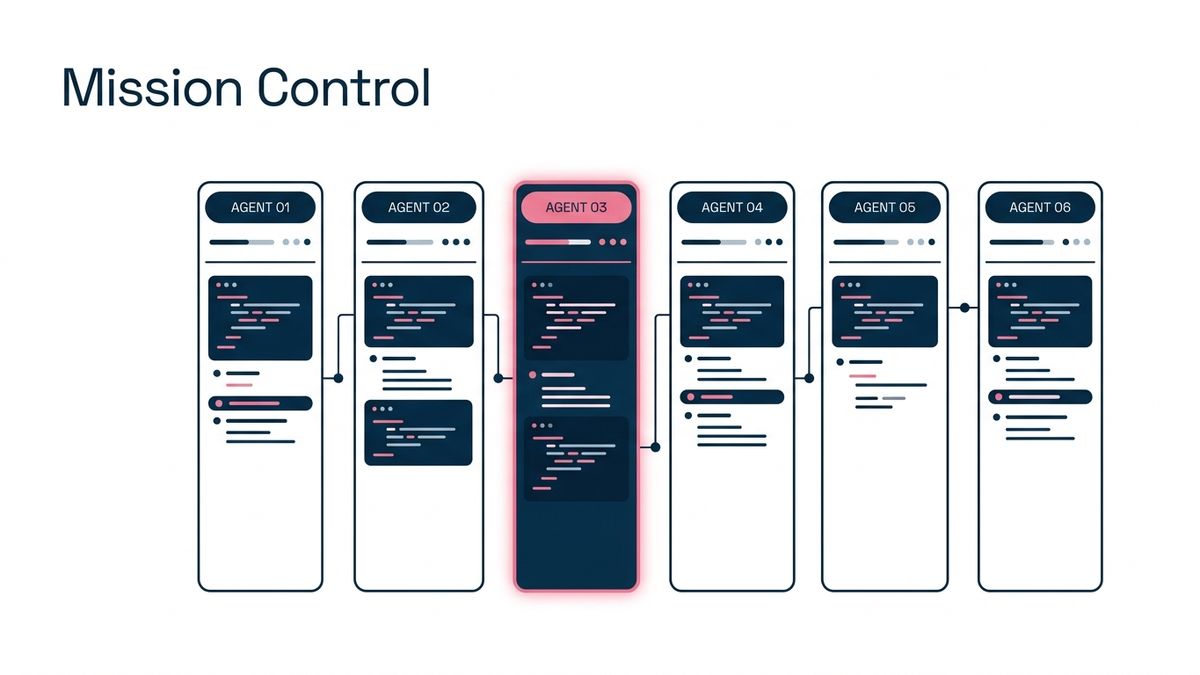
Mission Control for Claude Code: How to Manage 10 Agents Without Losing Your Mind
Stop tab-switching and start orchestrating. fleet is a terminal mission control for managing parallel Claude Code sessions.
Introducing Brizz: Product Analytics for AI Agents
Traditional analytics stop at clicks and pageviews. Learn how Brizz helps teams understand AI agent behavior, improve quality, and make data-driven product decisions.